
WASTE REMOVAL
WASTE REMOVAL EQUIPMENT
CONTROLLERS
INDUSTRY: Waste Removal
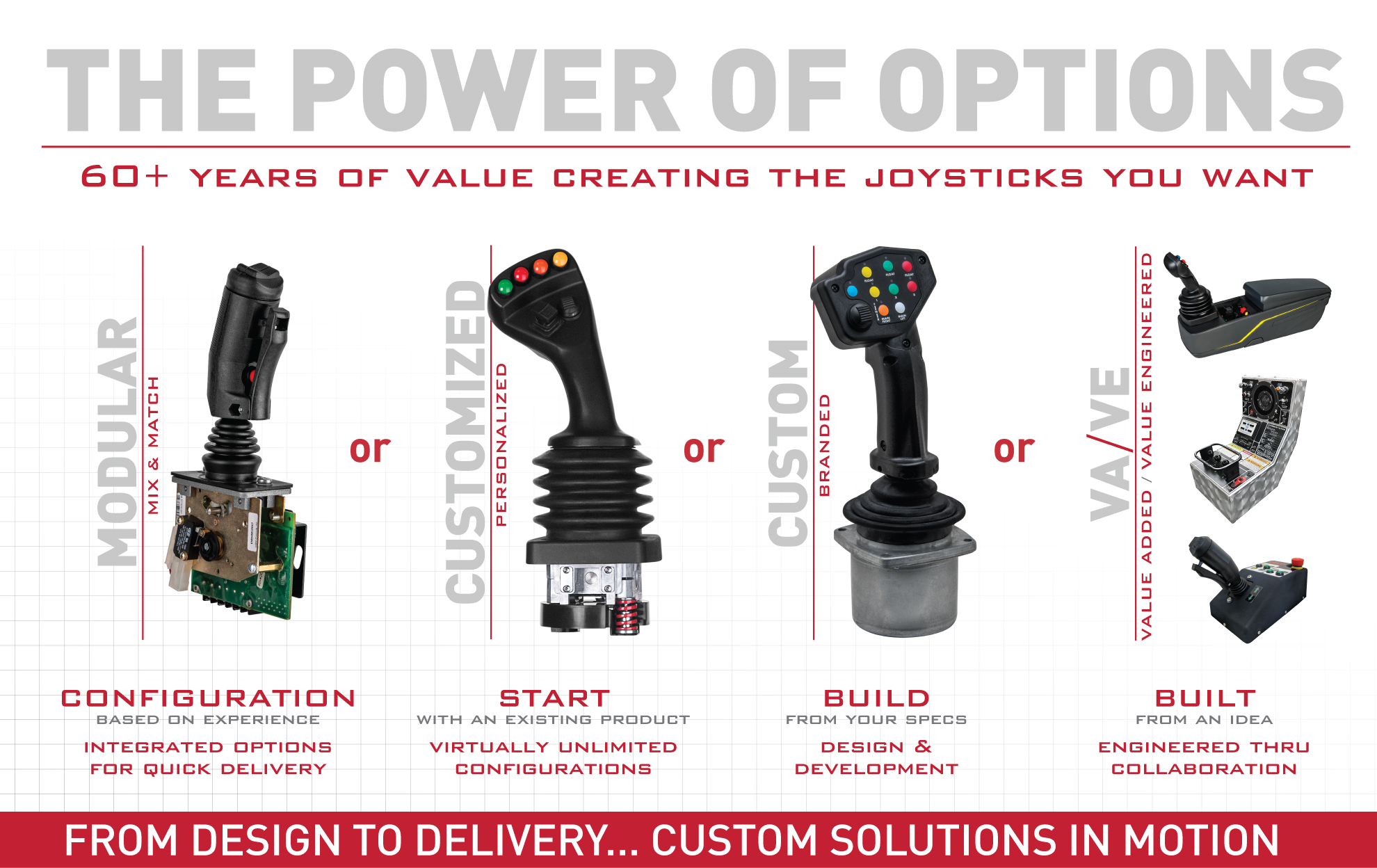
OEM Controls designs and manufactures configurable industrial controllers for waste removal and recycling equipment.
Waste collection equipment can combine lifting, loading, positioning, compacting and material-handling functions within machines that operate through repeated work cycles. Requirements vary by equipment type, control functions, operator interface, system integration and operating environment.
Waste Removal Applications
Waste and recycling operations use a range of mobile collection and material-handling equipment. The appropriate control approach depends on the machine functions, degree of automation, operator station and control architecture.


Side-Loading Collection Equipment
Side-loading refuse vehicles may use articulated lifting mechanisms to engage, lift, empty and return containers.
Applications involving multiple machine movements can require proportional control and an operator interface configured around the functions being controlled.
Front- & Rear-Loading Equipment
Front- and rear-loading collection vehicles combine container handling, loading and waste-compaction functions in different machine configurations.
Control requirements depend on how the equipment operates, where the operator controls are located and which functions require proportional or switching input.
Roll-Off, Hoist & Container-Handling Equipment
Roll-off and hoist equipment is used to pick up, position, transport and unload waste or recycling containers.
These applications can require controlled hydraulic movement with operator inputs matched to the direction, sequence and response of the machine functions.
Grapple & Specialized Collection Equipment
Grapple vehicles and other specialized collection equipment may require operators to manage multiple lifting, positioning or material-handling functions.
Controller configuration should reflect the number of functions, required movements and way the operator interacts with the equipment.
Engineering the Right Waste Removal Control Solution
Waste removal equipment rarely requires a one-size-fits-all operator interface. Selecting or configuring the controller starts with understanding how the machine must operate.
Control Functions
Consider single-axis or multi-axis movement, proportional functions, switching functions, lifting, positioning, hydraulic control and other machine commands.
Operator Interface
For equipment involving frequent operating cycles, the arrangement of primary and auxiliary functions should also reflect how the operator uses the machine.
Electrical & System Integration
Depending on the product and configuration, OEM Controls offers analog outputs, Hall-effect sensing, programmable switching functions and CAN-based communication options on supported products.
Operating Environment
Waste collection equipment may operate around moisture, contaminants, vibration, temperature variation and repeated operating cycles.
Environmental protection should therefore be specified for the actual controller, installation and application. Ingress protection, operating temperature and other environmental characteristics vary by product and configuration.
Frequently Asked Questions (FAQs)

Explore Waste Removal Control Solutions
Single- and multi-axis controls for proportional and coordinated machine functions.
Configurable grips and controls for operator-accessible auxiliary functions.
Alternative input devices for switching, selector and specialized control requirements.