RAILROAD
CONFIGURABLE OPERATOR CONTROLS FOR
RAIL VEHICLES AND MAINTENANCE EQUIPMENT
INDUSTRY: Railroad
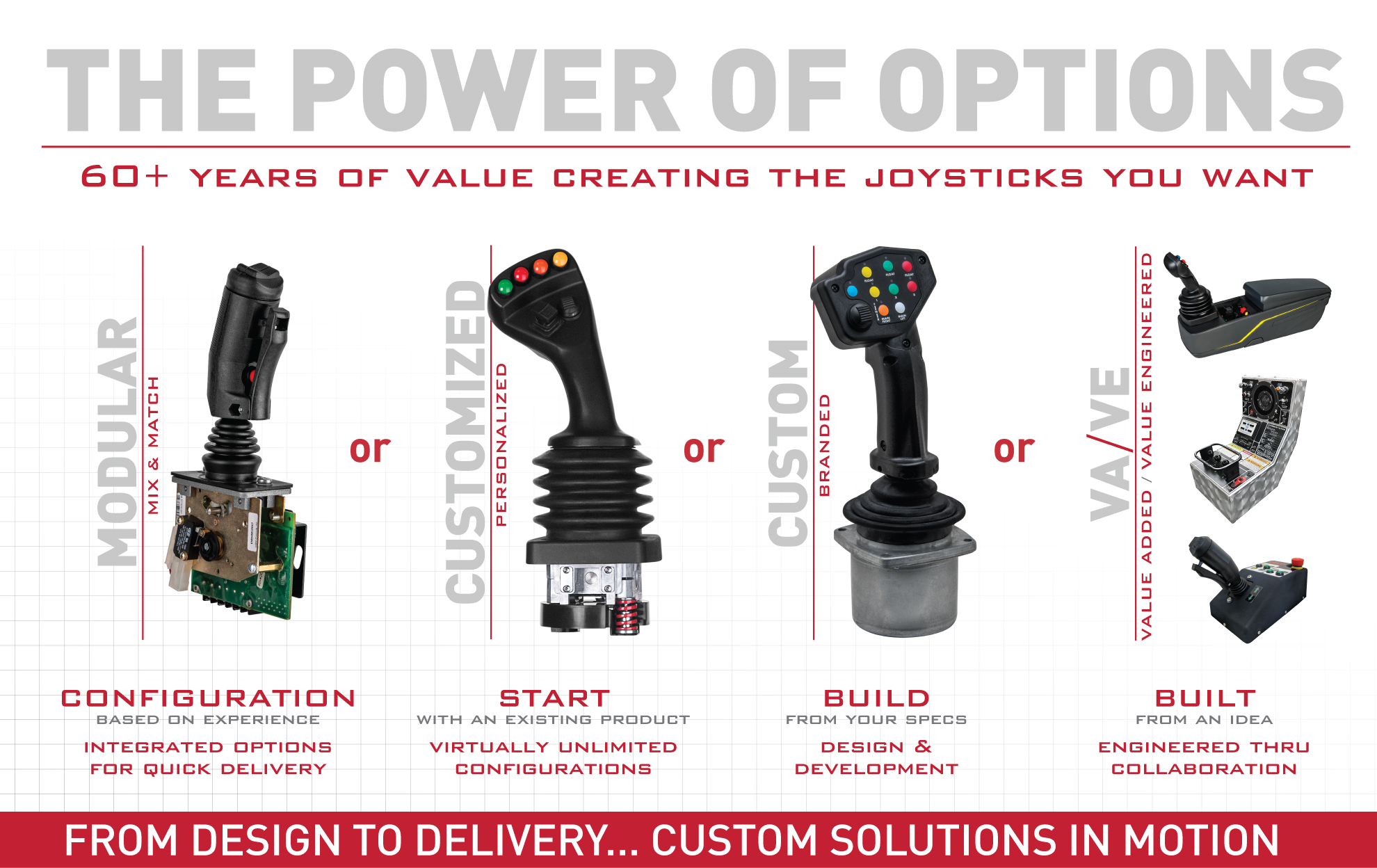
OEM Controls provides configurable operator controls for railroad applications, including single-axis controllers, multi-axis joysticks, foot pedals, and complete operator chair systems. OEM Controls products are used in trams, trolleys, and rail-maintenance machines.
Railroad equipment can require precise, repeatable control of vehicle movement, positioning, hydraulic functions, attachments, and auxiliary systems.
Railroad & Rail Maintenance Applications
Rail applications extend beyond vehicle movement. Maintenance-of-way and specialized rail equipment can combine travel, positioning, hydraulic, attachment, and auxiliary functions within one operator environment.


Rail Maintenance Equipment
Depending on the machine, operators may need to coordinate equipment positioning with hydraulic or mechanical work functions. Single-axis controls, multi-axis joysticks, foot pedals, and integrated operator controls provide different ways to organize those functions around the application.
Trams & Trolleys
Controller selection depends on the functions the operator must manage, the required control response, operator-interface requirements, and integration with the vehicle’s electrical architecture.
Specialized Rail Equipment
These machines can present very different control requirements. Equipment movement, work functions, operator position, available installation space, and system interface all influence controller selection.
Operator Stations & Chair Controls
Controller placement, handle configuration, foot controls, and auxiliary inputs can be evaluated together to create an operator interface organized around the functions required at the operating position.
Engineering the Right Railroad Control
Selecting a railroad controller involves more than choosing a joystick. The control needs to work as part of the machine, the operator environment, and the overall control system.
Control Function & Motion
A single proportional function may call for a single-axis controller. Coordinated movement or multiple proportional functions may require dual- or multi-axis control. Secondary functions may also be candidates for foot-operated input.
Operator Interface & Ergonomics
Control placement, handle configuration, movement, auxiliary switches, and the relationship between hand and foot controls influence how the operator interacts with the machine.
These considerations become especially important when several functions need to be accessible from one operating position.
System Integration
Output type, communication requirements, supply voltage, switching functions, wiring, connectors, and mounting all influence how the controller integrates with the machine.
Defining those requirements early can help engineers evaluate the appropriate controller platform and configuration.
Operating Environment
Rail and maintenance equipment can encounter demanding operating conditions.
Environmental exposure, vibration, temperature, contaminants, and operating cycles should be evaluated against the specifications of the controller being considered.
Frequently Asked Questions (FAQs)

Explore Railroad Control Solutions
Single- and multi-axis controls for proportional and coordinated machine functions.
Configurable grips and controls for operator-accessible auxiliary functions.
Alternative input devices for switching, selector and specialized control requirements.
Configure A Control Solution Around Your Rail Application
Rail vehicles and maintenance equipment can place very different demands on the operator and control system.
OEM Controls can help evaluate the required functions, controller movement, operator inputs, electrical interface, and available configuration options to identify an appropriate control approach for the application.